



Saitama International Bonsai Academy (Bonsai Lectures)
Bonsai Lectures for Bonsai Enthusiasts
Request a lecture taught by a bonsai master actively involved in Omiya Bonsai Village, the sacred place for bonsai.
*All of these courses are lectures regarding bonsai, not classes where you make bonsai. If you are interested in a class for making bonsai, please click here.
Lecture Date: Please contact us to coordinate a date that meets the schedules of the participants and instructor. Please note that there may be cases where we cannot schedule the course on your desired date.
Participants: Bonsai enthusiasts from anywhere in the world (particularly those with a certain degree of knowledge regarding bonsai).
Tuition Fee: 30,000 to 40,000 yen per group (1 group is at least 10 persons).
*Tuition fee to be paid on the day of the lecture.
Number of Participants per Course: At least 10 persons.
Venue: One of the bonsai gardens in Omiya Bonsai Village or at the Omiya Bonsai Art Museum.
Language: Japanese (with English interpretation).
Course Content: Bonsai Theory
1. “What is bonsai and how to appreciate it: The history of Omiya Bonsai Village”
Instructor: Omiya Bonsai Art Museum Curator – approx. 30 min.
2. Bonsai Garden Lectures
Instructor: Please refer to the list of the classes below and select one. Duration varies with each class.
How to Apply:
Please email us at bonsai-art-museum@city.saitama.lg.jp with the following information to schedule a lecture.
1. Name of the group representative
2. Desired date (and time if applicable)
3. Desired instructor (please choose from the list of bonsai garden lectures)
Example: Kyuka-en
4. Number of participants (please only inquire if you have at least 10 persons)
Please contact us no later than 2 months before the desired date of the class, as materials must be arranged.
Please Note: Cancellations must be made no later than 1 month in advance.
List of Bonsai Garden Lectures
Kyūka-en
Theme: Bonsai Tools
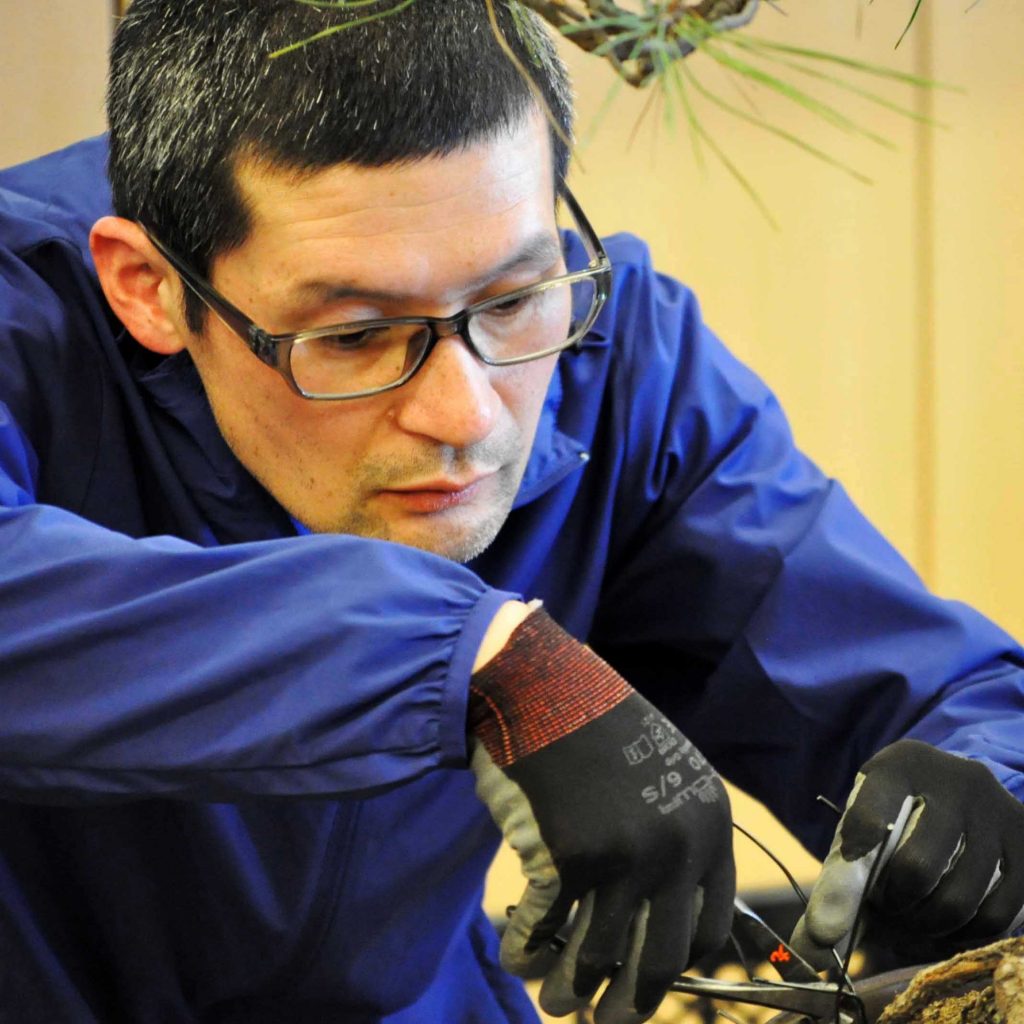
The instructor will explain about the selection and usage of bonsai tools suited to the work at hand, as well as methods of caring for tools.
Participants learn by viewing the instructor's demonstrations and will have actual hands-on experience applying what is taught.
Profile:
This garden was opened in 1929 by the Murata family.
It cultivates over 300 different types of bonsai and features bonsai which create a natural feel.
The first-generation owner of the garden, Kyuzo Murata, was known for developing bonsai tools, and Yukio, the 3rd generation owner, continues this legacy and conducts research further develop bonsai tools.
Instructor: Yukio Murata, third-generation owner
Duration: Approx. 2 hours
Tuition: 40,000 yen per group
Shōsetsu-en
Theme: Breeding Methods (sashiki, toriki, tsugiki)
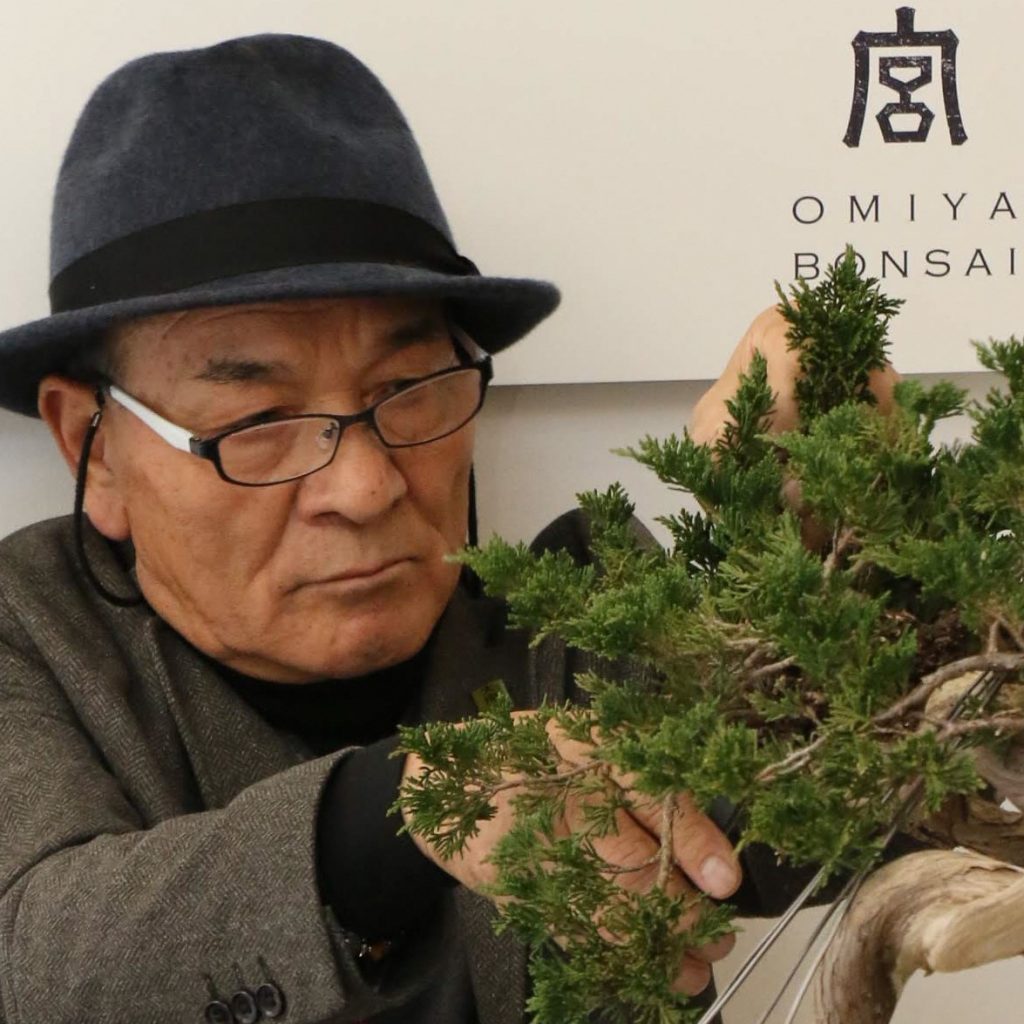
The instructor will teach methods of bonsai tree breeding by explaining effective methods of processing according to plant types and subsequent management, using demonstrations and commentary.
Profile:
The garden owner Teruo Kurosu studied under Motosuke Hamano, the first-generation owner of the Tōju-en Garden and went on to open shōsetsu-en garden in 1977.
He cultivates bonsai trees under the theme of the “Beauty of Space.”
The garden owner is also a potter who creates bonsai pots and is a recipient of the Prime Minister’s Prize of the Nippon Bonsai Sakūfu-ten Exhibition. As such, there is a pottery hall within his garden.
Instructor: Teruo Kurosu, garden owner
Duration: Approx. 3 hours
Tuition: 40,000 yen per group
Tōju-en
Theme: Caring for Shōhaku Bonsai
Using old shōhaku (evergreen pine and juniper) bonsai that have been cultivated within a pot for a long period, the instructor demonstrates methods to manage and cultivate shōhaku bonsai and ways to care for them in accordance with the Japanese climate.
The aim of this class is for the participants to be able to use methods similar to those demonstrated so that they can cultivate bonsai suited to the climate and types of trees in their home countries.
Profile:
The family opened the garden in 1928.
Specializing in shōhaku bonsai, the garden has produced a large number of prominent bonsai artists.
It has been offering bonsai classes for over 50 years, starting in 1969.
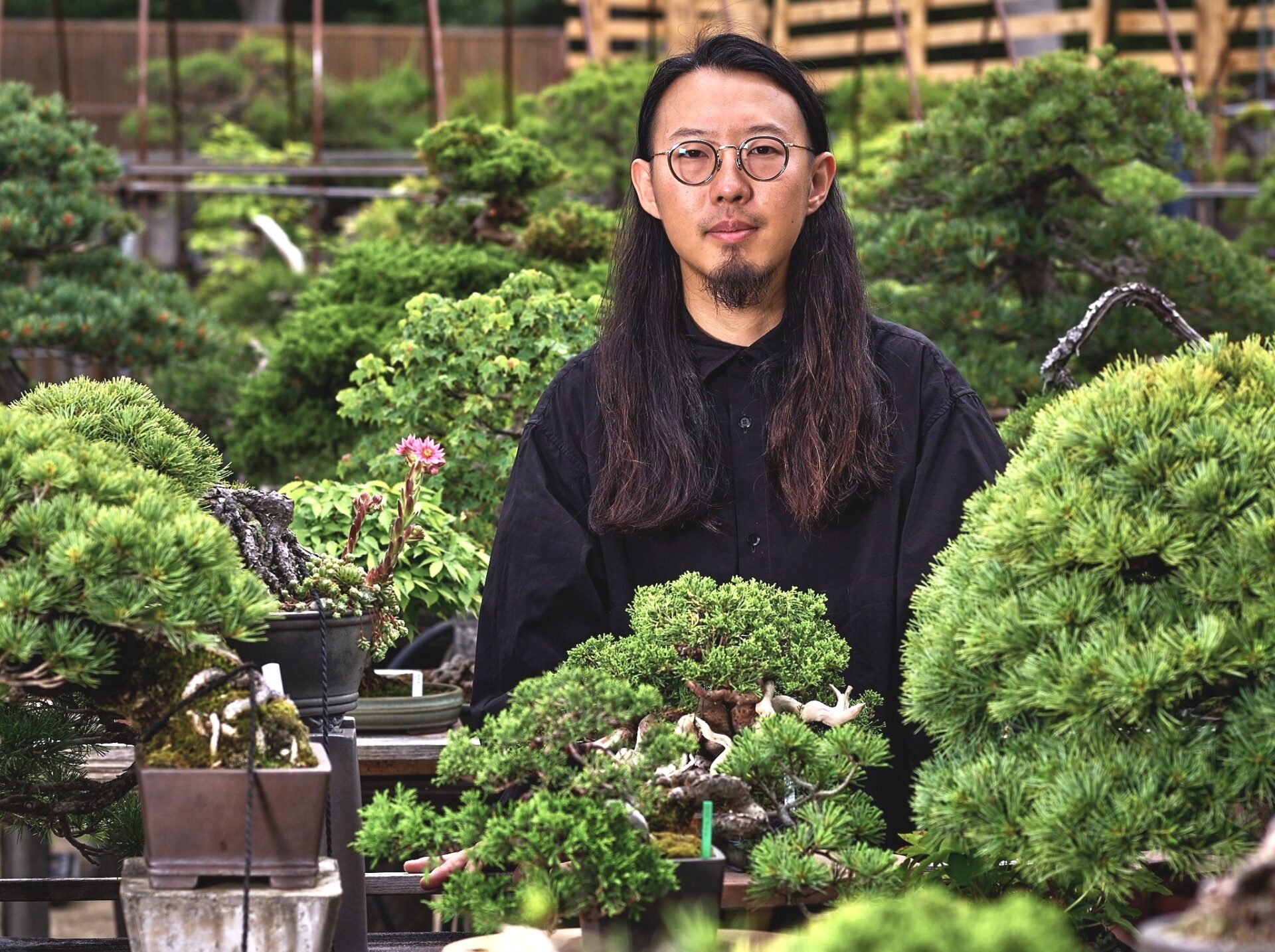
The current owner is Kanta Hirota, who began working at Tōju-en in 2018 and officially became an apprentice there at age 21 under the tutelage of the second-generation owner, Hiromi Hamano. He became the third-generation garden owner after the passing of Hiromi Hamano in 2024.
Instructor: Kanta Hirota, third-generation garden owner
Duration: Approx. 3 hours
Tuition: 40,000 yen per group
Fuyō-en
Theme: Caring for Zōki Bonsai
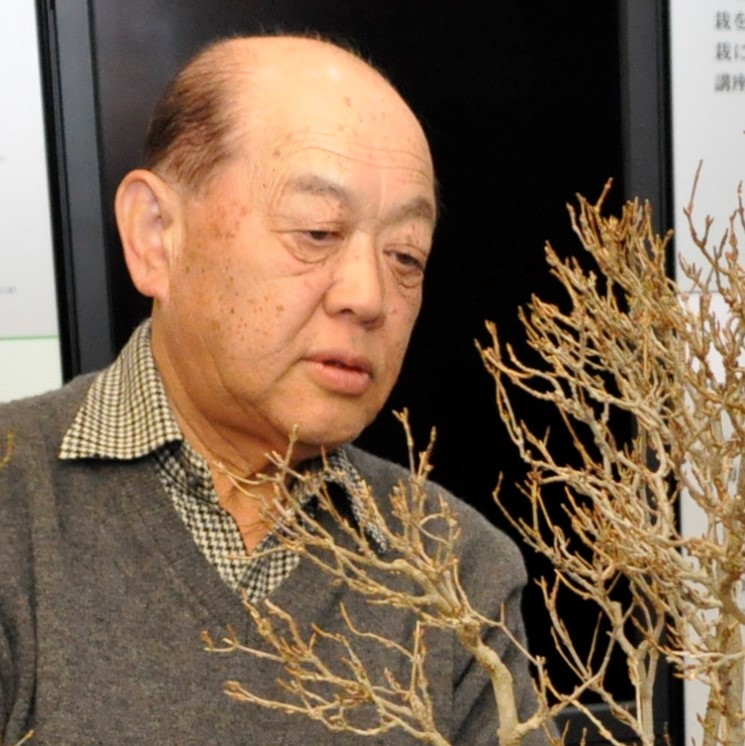
The instructor demonstrates methods of caring for Zōki (deciduous) bonsai in the Japanese climate.
The aim of this class is for the participants to be able to use methods similar to those demonstrated so that they can cultivate bonsai suited to the climate and types of trees in their home countries.
Class Content:
March to early July: Bud nipping, leaf cutting and leaf pruning. December to March: Bonsai wiring.
Profile:
The Takeyama family opened the garden in 1939. It became an authority on zōki Bonsai with its artists possessing exceptional expertise in caring for zōki trees and creatingyose-ue (group planting) bonsai.
The current owner, Hiroshi Takeyama, has successively served as the Japan regional director of the World Bonsai Friendship Federation and acted as a demonstrator at the 8th World Bonsai Convention in Saitama.
Instructor: Hiroshi Takeyama, second-generation garden owner
Duration: Approx. 3 hours
Tuition: 40,000 yen per group
Mansei-en

Theme: Ways of Viewing and Displaying Bonsai and Suiseki –Expression and Presentation –
The instructor explains ways to imagine a landscape with suiseki and how to create displays using bonsai and suiseki.
Profile:
The family was one of the bonsai garden owners who founded the Bonsai Village in 1925. The 3rd generation owner, Saburo Kato, devoted himself to popularizing bonsai around the world as the chairman of the Nippon Bonsai Association and also transformed the family garden into a world-renowned bonsai garden.
The current owner possesses deep knowledge about suiseki and serves as the Director of the Nippon Suiseki Association
Instructor: Takahiro Kato, fifth-generation garden owner
Duration: Approx. 3 hours
Tuition: 40,000 yen per group
The Omiya Bonsai Art Museum, Saitama
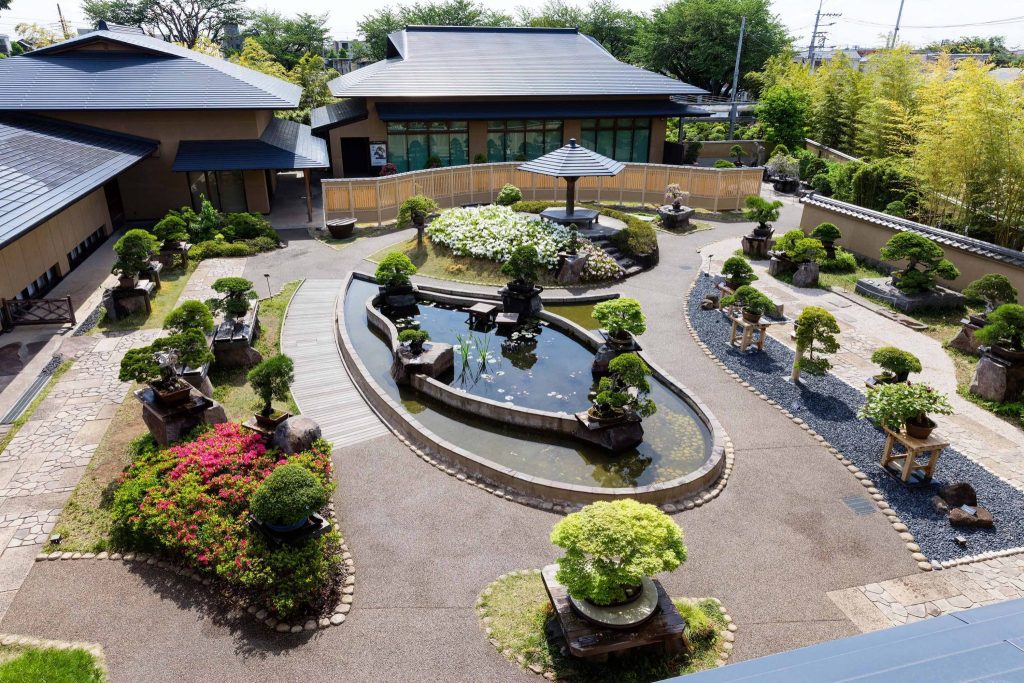
Theme: The History of Bonsai
Participants will be taught the history of bonsai, from the birth of bonsai until it was finally recognized as an art form. This class is based on materials and data systematically collected and researched by the Omiya Bonsai Art Museum.
Profile:
Founded near the Bonsai Village in 2010, this is the first public art museum that specializes in bonsai. It possesses approximately 120 bonsai masterpieces in its collection and has about 70 on permanent display.
It systematically collects bonsai, suiseki, paintings and historic and folkloric materials related to bonsai. It then researches and disseminates bonsai culture, acting as the pivotal facility of the Bonsai Village.
Instructor: Curator at the Omiya Bonsai Art Museum
Duration: Approx. 2 hours
Tuition: 30,000 yen per group
International visitors course
Due to prevent exposure and halt the spread of coronavirus disease (COVID-19), Bonsai Academy is suspended until further notice.
Later announcement will be made on this webpage regarding when Bonsai Academy will be held.
What the Saitama International Bonsai Academy intends…
Building upon the opportunity of the 8th World Bonsai Convention in Saitama, the “Saitama International Bonsai Academy” is offering bonsai classes where students can acquire knowledge and skills regarding bonsai in a systematic manner at the Omiya Bonsai Art Museum.
Hands-on Experience Class for Beginners Saitama International Bonsai Academy ‒ Classes for International Visitors
Date:An exact class date convenient for the participants will be arranged
Tuition:Hands-on Experience Class only: 3,000 Japanese yen.
If bonsai is to be taken home: 6,000 Japanese yen.
Tuition is to be paid in cash (Japanese yen) on the day of the class.
It is prohibited to take abroad the bonsai created.
How to apply:
Please apply no later than 2 months prior to the desired date of the class as materials must be arranged.
Language: English
Eligibility: International Visitors visiting the Omiya Bonsai Art Museum
Content: A Guide to the Omiya Bonsai Art Museum‒ approx. 30 min.
Through commentary about the exhibits in the museum, participants will learn about the appeal of bonsai and how to appreciate it.
Hands-on Bonsai Making Experience ‒ approx. 90 min.
Participants will experience creating a small bonsai.
Other: A Certification of Completion will be issued.
Cancellations must be made no later than 1 weeks in advance.
Bonsai Class for Bonsai Enthusiasts
Due to prevent exposure and halt the spread of coronavirus disease (COVID-19), Bonsai Academy is suspended until further notice.
Later announcement will be made on this webpage regarding when Bonsai Academy will be held.
Take a class taught by a bonsai instructor actively involved in the “Omiya Bonsai Village,” the sacred ground of bonsai.
Class date: An exact class date convenient for the participants will be arranged.
Participants: International Visitors bonsai enthusiasts
Tuition:30,000 to 45,000 YEN per 1 group ( between 1 person and 10 persons )
Tuition is to be paid on the day of the class.
Number of participants: Around 10
※ Class will be held even with only one participant.
Venue: At various bonsai gardens in the Omiya Bonsai Village and the Omiya Bonsai Art Museum
Language:Japanese (English interpretation available)
Content:
Bonsai Theory –
“What is bonsai, how to appreciate it and history of Bonsai Village
(Instructor: A curator at the Omiya Bonsai Art Museum) – approx. 30 min.
Class in a Bonsai Garden
(Please Refer to the list of the bonsai gardens and select one.) – duration varies with each class.
How to Apply:
Please apply no later than 2 months prior to the desired date of the class as materials must be arranged.
Other: Cancellations must be made no later than 1 month in advance.
list of classes according to the bonsai garden.
Kyuka-en
Theme: Bonsai Tools
The instructor will explain about the selection and usage of bonsai tools suited to the work at hand, as well as methods of caring for tools.
Participants learn by viewing the demonstrations conducted by the instructor and will have actual hands-on experience applying what is taught.
Profile:
The family opened the garden in 1929.
It grows over 300 types of bonsai and features bonsai which reflects nature as it is.
The first generation owner of the garden, Kyuzo Murata, was known for developing bonsai tools, and Yukio, the 3rd generation owner, conducts research into bonsai tools on an ongoing basis.
Instructor: Yukio Murata, 3rd generation
Duration: approx. 2 hours
No. of participants: around 10
Tuition: 45,000 yen / per 1 group
Shosetsu-en
Theme: Breeding Methods (sashiki, toriki, tsugiki)
The instructor will teach methods of bonsai tree breeding by explaining effective methods of processing according to plant types and subsequent management, using demonstrations and commentary.
Profile:
He studied under Motosuke Hamano, the 1st generation owner of the Toju-en Garden and opened his own garden in 1977.
He cultivates bonsai trees under the theme of the “Beauty of Space.”
Inside the garden there is a pottery hall.
The garden owner is also a potter who creates bonsai pots and is a recipient of the Prime Minister’s Prize of the Nippon Bonsai Sakufuten Exhibition.
Instructor: Teruo Kurosu, garden owner
Duration: approx. 3 hours
No. of participants: around 10
Tuition: 45,000 yen / per 1 group
Seikou-en
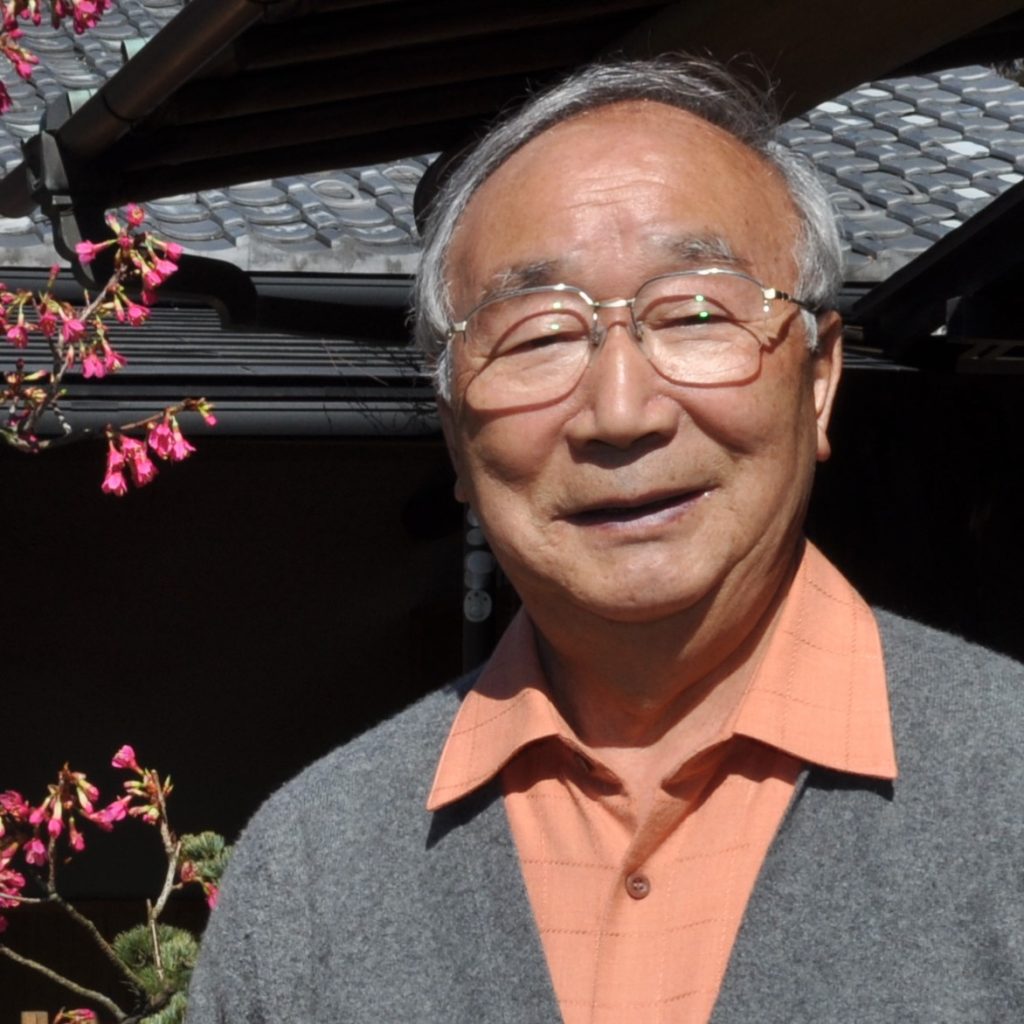
Theme: Displaying Bonsai
By demonstrating how to display a tokonoma (alcove), participants will learn the proper mindset for displaying a tokonoma and ways to orchestrate a sense of seasonality, as the instructor also explains how to create bonsai which reflects natural scenery.
Profile:
he family’s garden was opened in Negishi, Tokyo, during the Kaei era (1848-54) and relocated to the Bonsai Village in 1943.
Taking great care to preserve Edo (Tokyo)-style bonsai techniques, the garden seeks to create refined beauty which projects a sense of the seasons, elegance, and distinct character.
The present owner of the garden serves as the chairman of the Nippon Bonsai Sakka Association and is a recipient of the Prime Minister’s Prize of the Nippon Bonsai Sakufuten Exhibition.
Instructor: Tomio Yamada, 4th generation garden owner
Duration: approx. 3 hours
No. of participants: around 10
Tuition: 45,000 yen / per 1 group
Toju-en
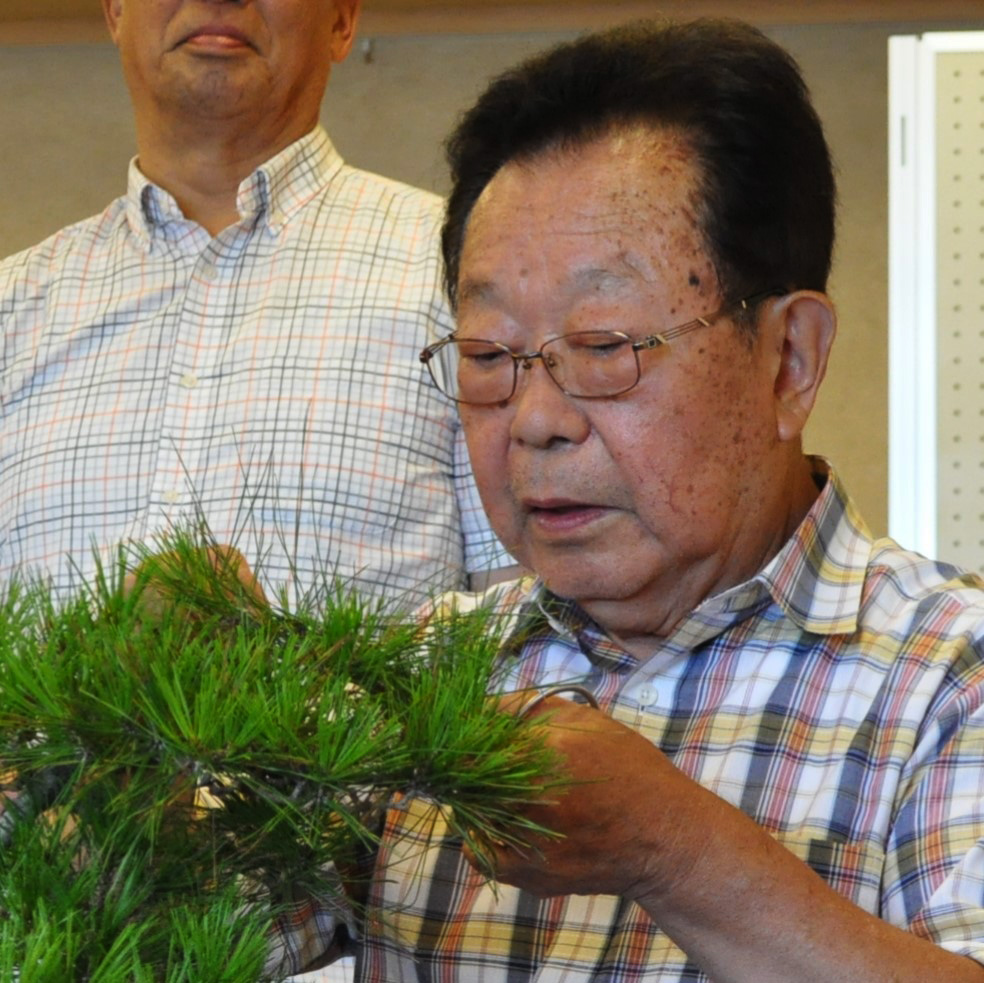
Theme: Caring for Shohaku Bonsai
Using Shohaku Bonsai which has been cultivated in a pot for a long period, the instructor demonstrates methods to manage and cultivate Shohaku Bonsai and ways to care for them in accordance with the Japanese climate.
The aim is for the participants to be able to use similar methods to care for bonsai suited to the climate and types of bonsai in their home countries.
Profile:
The family opened the garden in 1928.
Specializing in Shohaku Bonsai, the garden has turned out a large number of prominent bonsai gardeners.
It started offering bonsai classes in 1969 and has continued doing so for over 50 years.
The current owner is the chairman of the Japan Bonsai Class Federation with branch schools in various locations in Japan and overseas and endeavors to spread the popularity of bonsai.
Instructor: Hiromi Hamano, 2nd generation garden owner
Duration: approx. 3 hours
No. of participants: around 10
Tuition: 45,000 yen / per 1 group
Fuyo-en
Theme: Caring for Zoki Bonsai
The instructor teaches by demonstrating methods of caring for Zoki Bonsai according to the Japanese climate.
The aim is for the participants to be able to use similar methods to care for bonsai suited to the climate and types of bonsai in their home countries.
Class content – March to early July: bud nipping, leaf cutting, leaf pruning. December to March: bonsai wiring.
Profile:
The family opened the garden in 1939, and become an authority on Zoki Bonsai and possess exceptional expertise in caring for Zoki trees and creating Yose-ue.
The current owner has served successively as the Japan regional director of the World Bonsai Friendship Federation and acted as a demonstrator at the “8th World Bonsai Convention in Saitama”.
Instructor: Hiroshi Takeyama, 2nd generation garden owner
Duration: approx. 3 hours
No. of participants: around 10
Tuition: 45,000 yen / per 1 group
Mansei-en
Theme: Ways of Viewing and Displaying Bonsai and Suiseki – Expression and Presentation –
The instructor explains ways to express suiseki (how to imagine a landscape) and create presentations of displaying by demonstrating how to display bonsai and suiseki.
Profile:
The family was one of the bonsai garden owners who founded the Bonsai Village in 1925. The 3rd generation owner, Saburo Kato, devoted himself to popularizing bonsai around the world as the chairman of the Nippon Bonsai Association and also transformed the family garden into a world-renown bonsai garden.
The current owner serves as the Director of the Nippon Suiseki Association and also possesses deep knowledge about suiseki.
Instructor: Takahiro Kato, 5th generation garden owner
Duration: approx. 3 hours
No. of participants: around 10
Tuition: 45,000 yen / per 1 group
The Omiya Bonsai Art Museum, Saitama
Theme: History of Bonsai
The history of bonsai will be explained based on materials and data systematically collected about what transpired historically from the birth of bonsai until it was recognized as an art form.
Profile:
This is a publicly-run art museum specializing in bonsai which was founded near the Bonsai Village in 2010. It maintains approximately 120 pots of bonsai masterpieces and has about 70 on permanent display.
It systematically collects bonsai, suiseki, paintings and folklore material relating to bonsai as well as researches and disseminates bonsai culture as the pivotal facility of the Bonsai Village.
Instructor: Curator at the Omiya Bonsai Art Museum
Duration: approx. 2 hours
No. of participants: around 10
Tuition: 30,000 yen / per 1 group
Theme: Ways of Viewing and Displaying Bonsai and Suiseki –Expression and Presentation –
The instructor explains ways to imagine a landscape with suiseki and how to create displays using bonsai and suiseki.
Profile:
The family was one of the bonsai garden owners who founded the Bonsai Village in 1925. The 3rd generation owner, Saburo Kato, devoted himself to popularizing bonsai around the world as the chairman of the Nippon Bonsai Association and also transformed the family garden into a world-renowned bonsai garden.
The current owner possesses deep knowledge about suiseki and serves as the Director of the Nippon Suiseki Association
Instructor: Takahiro Kato, fifth-generation garden owner
Duration: Approx. 3 hours
Tuition: 40,000 yen per group
The Omiya Bonsai Art Museum, Saitama
Theme: The History of Bonsai
Participants will be taught the history of bonsai, from the birth of bonsai until it was finally recognized as an art form. This class is based on materials and data systematically collected and researched by the Omiya Bonsai Art Museum.
Profile:
Founded near the Bonsai Village in 2010, this is the first public art museum that specializes in bonsai. It possesses approximately 120 bonsai masterpieces in its collection and has about 70 on permanent display.
It systematically collects bonsai, suiseki, paintings and historic and folkloric materials related to bonsai. It then researches and disseminates bonsai culture, acting as the pivotal facility of the Bonsai Village.
Instructor: Curator at the Omiya Bonsai Art Museum
Duration: Approx. 2 hours
Tuition: 30,000 yen per group
Theme: Breeding Methods (sashiki, toriki, tsugiki)
The instructor will teach methods of bonsai tree breeding by explaining effective methods of processing according to plant types and subsequent management, using demonstrations and commentary.
Profile:
The garden owner Teruo Kurosu studied under Motosuke Hamano, the first-generation owner of the Tōju-en Garden and went on to open shōsetsu-en garden in 1977.
He cultivates bonsai trees under the theme of the “Beauty of Space.”
The garden owner is also a potter who creates bonsai pots and is a recipient of the Prime Minister’s Prize of the Nippon Bonsai Sakūfu-ten Exhibition. As such, there is a pottery hall within his garden.
Instructor: Teruo Kurosu, garden owner
Duration: Approx. 3 hours
Tuition: 40,000 yen per group
Tōju-en
Theme: Caring for Shōhaku Bonsai
Using old shōhaku (evergreen pine and juniper) bonsai that have been cultivated within a pot for a long period, the instructor demonstrates methods to manage and cultivate shōhaku bonsai and ways to care for them in accordance with the Japanese climate.
The aim of this class is for the participants to be able to use methods similar to those demonstrated so that they can cultivate bonsai suited to the climate and types of trees in their home countries.
Profile:
The family opened the garden in 1928.
Specializing in shōhaku bonsai, the garden has produced a large number of prominent bonsai artists.
It has been offering bonsai classes for over 50 years, starting in 1969.
The current owner is Kanta Hirota, who began working at Tōju-en in 2018 and officially became an apprentice there at age 21 under the tutelage of the second-generation owner, Hiromi Hamano. He became the third-generation garden owner after the passing of Hiromi Hamano in 2024.
Instructor: Kanta Hirota, third-generation garden owner
Duration: Approx. 3 hours
Tuition: 40,000 yen per group
Fuyō-en
Theme: Caring for Zōki Bonsai
The instructor demonstrates methods of caring for Zōki (deciduous) bonsai in the Japanese climate.
The aim of this class is for the participants to be able to use methods similar to those demonstrated so that they can cultivate bonsai suited to the climate and types of trees in their home countries.
Class Content:
March to early July: Bud nipping, leaf cutting and leaf pruning. December to March: Bonsai wiring.
Profile:
The Takeyama family opened the garden in 1939. It became an authority on zōki Bonsai with its artists possessing exceptional expertise in caring for zōki trees and creatingyose-ue (group planting) bonsai.
The current owner, Hiroshi Takeyama, has successively served as the Japan regional director of the World Bonsai Friendship Federation and acted as a demonstrator at the 8th World Bonsai Convention in Saitama.
Instructor: Hiroshi Takeyama, second-generation garden owner
Duration: Approx. 3 hours
Tuition: 40,000 yen per group
Mansei-en
Theme: Ways of Viewing and Displaying Bonsai and Suiseki –Expression and Presentation –
The instructor explains ways to imagine a landscape with suiseki and how to create displays using bonsai and suiseki.
Profile:
The family was one of the bonsai garden owners who founded the Bonsai Village in 1925. The 3rd generation owner, Saburo Kato, devoted himself to popularizing bonsai around the world as the chairman of the Nippon Bonsai Association and also transformed the family garden into a world-renowned bonsai garden.
The current owner possesses deep knowledge about suiseki and serves as the Director of the Nippon Suiseki Association
Instructor: Takahiro Kato, fifth-generation garden owner
Duration: Approx. 3 hours
Tuition: 40,000 yen per group
The Omiya Bonsai Art Museum, Saitama
Theme: The History of Bonsai
Participants will be taught the history of bonsai, from the birth of bonsai until it was finally recognized as an art form. This class is based on materials and data systematically collected and researched by the Omiya Bonsai Art Museum.
Profile:
Founded near the Bonsai Village in 2010, this is the first public art museum that specializes in bonsai. It possesses approximately 120 bonsai masterpieces in its collection and has about 70 on permanent display.
It systematically collects bonsai, suiseki, paintings and historic and folkloric materials related to bonsai. It then researches and disseminates bonsai culture, acting as the pivotal facility of the Bonsai Village.
Instructor: Curator at the Omiya Bonsai Art Museum
Duration: Approx. 2 hours
Tuition: 30,000 yen per group
